Safe Drug Disposal Protects Vulnerable Populations
October 7, 2026
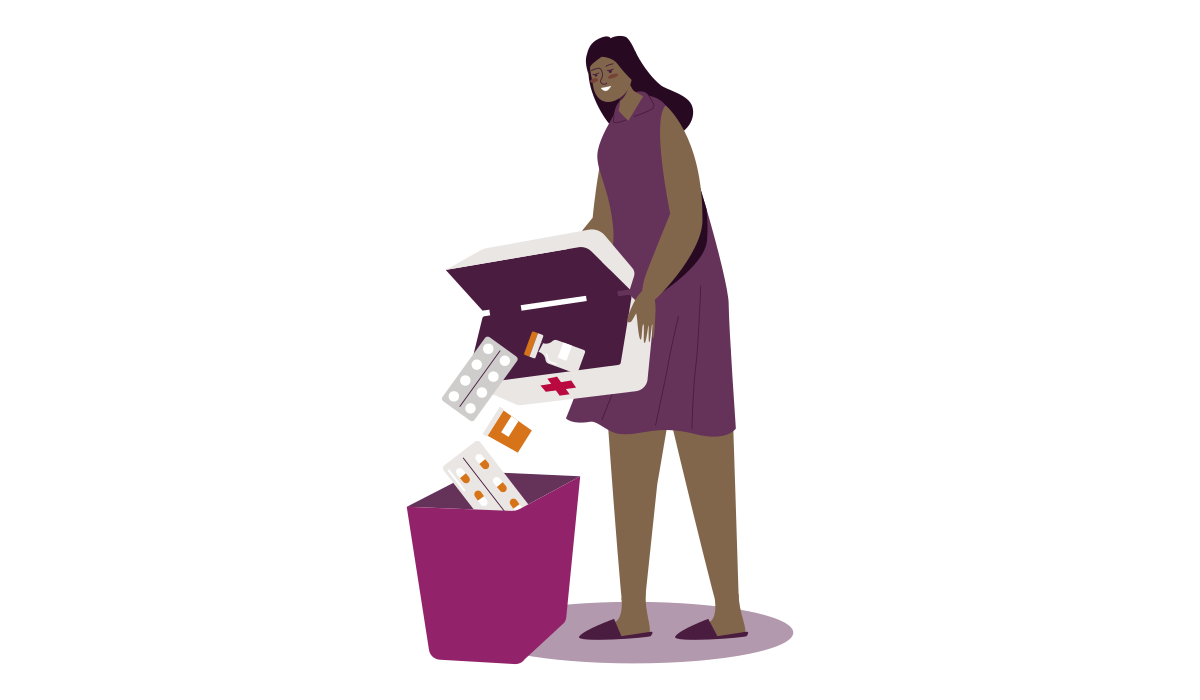
Safely disposing of drugs is a crucial aspect of medication safety, and awareness around safe disposal is promoted by public health organizations and government agencies through PSAs and events such as National Prescription Drug Take Back Day. Hosted by Drug Enforcement Administration (DEA), Take Back Day is a dedicated, twice-yearly nationwide event where patients can safely dispose of potentially dangerous expired, unused, and unwanted prescription drugs. Since its inception in 2010, Take Back Day has collected more than 20 million pounds of medications across the US. The next Take Back Day will be October 24, 2026.
The April 2026 Take Back Day offered safe disposal at nearly 4,200 collection sites around the nation. Those collection sites include locations such as: hospitals, medical centers, police stations, fire stations, government buildings, pharmacies, and community centers. Take Back Day is a great reminder to properly dispose of medications, but many of these disposal sites are open all year round. There is no need to wait until Take Back Day to dispose of potentially harmful medications. Search our Drug Disposal Locator Tool to find a year-round drug disposal box in your area today.
Why Is Drug Disposal Important?
When many people hear about safe drug disposal efforts like Take Back Day, their first thought might be: “Why would I throw away prescription medications?” It’s true that usually, if you get a prescription from your doctor, you take it. However, there are all kinds of circumstances where you may need to dispose of a prescription. Some examples include:
- You planned with your doctor to stop taking a medication, and you have some left over.
- You were prescribed a medication but had a bad reaction to it and your doctor has instructed you to stop taking it.
- You were accidentally given the wrong prescription or dosage.
- A family member passed away, leaving behind their medications.
- Prescription or over-the-counter (OTC) medications have expired.
Many individuals have unused or expired medications in their medicine cabinets, and unfortunately, in the wrong hands, they could be deadly, often affecting vulnerable populations.
Children
Properly disposing of medication protects children who might accidentally ingest them. Each year there are approximately 35,000 emergency department visits from unintentional overdose in children under 5 years old, and over 90% of those visits involve children getting into medicine without a caregiver’s oversight. There are also over 450,000 calls to poison centers each year about children under 6 years old accidentally ingesting medication.
A National Capital Poison Center report showed that from 2020-2024, there were 189 single-substance exposure fatalities among children under 6 years old in the US. 24% of those fatalities were caused by pain medications (analgesics).
You can potentially save a child’s life by keeping medications up and away and by safely disposing of medications you no longer need.
Pets
Pets are also in danger of potential overdose from getting into medications left in the home. Disposing of drugs in a safe drug disposal box instead of throwing them in the trash could save an animal from an accidental overdose.
In pets, there is additional risk as many medications that are relatively benign in humans could cause serious harm for a pet. For example, OTC pain relievers like ibuprofen and acetaminophen can cause internal bleeding and organ failure, even in small amounts. Mental health medications like antidepressants and anti-anxiety medications are also particularly dangerous in pets, potentially causing severe neurological or cardiovascular events. Additionally, the ingredient Xylitol, found as an additive in many human medications, is extremely toxic to dogs.
Elderly Patients
Many elderly patients have complicated medication regimens, which can easily be confused. This makes keeping their medications organized and safely disposing of expired or unneeded meds even more important.
Elderly patients are at risk of potential overdose from accidentally taking a medication they no longer need, taking the wrong medication, or taking the incorrect dose. This risk can be exacerbated by cognitive changes, poor eyesight, or by side effects from other medications, like sleepiness.
Safely disposing of medications that elderly patients no longer need can help keep them safe from accidental poisoning.
Easy Source for Potential Misuse
Expired or unneeded medications left in the home are an easy target for individuals considering misusing medications.
Substance Abuse and Mental Health Services Administration (SAMHSA) reports that almost half of all teens (47%) say it’s easy to get prescription drugs from a parent or guardian’s medicine cabinet. Unused medications can be used by teens or adults with substance use disorder (SUD) or sold illicitly through drug diversion. The most common prescription medications misused are pain medications like opioids, CNS depressants like benzodiazepines, and stimulants.
Occasionally, patients will keep prescription medications on hand like “leftovers,” even if they do not intend to use them recreationally. Patients might assume that keeping unused prescriptions might come in handy, for example, keeping an unused round of antibiotics for the next time their child has an ear infection. This seems like it could be an easy way to skip a visit to the doctor, but it is still considered drug misuse and could be very dangerous. The medication you keep at home could be the wrong medication to treat the illness, the wrong dose, or expired. Never keep prescription medications with the intention to take them later, and always talk to your doctor or health care provider before starting a new medication or stopping a current one.
Spread the Word About Safe Medication Disposal
Let your community know about Take Back Day and the Drug Disposal Locator Tool. Learn more about safe drug disposal on our website, including information about drug donation. You can also find more information about preventing drug misuse and how to safely use medications.