
Is Your Pharmacy Accredited?
July 8, 2026
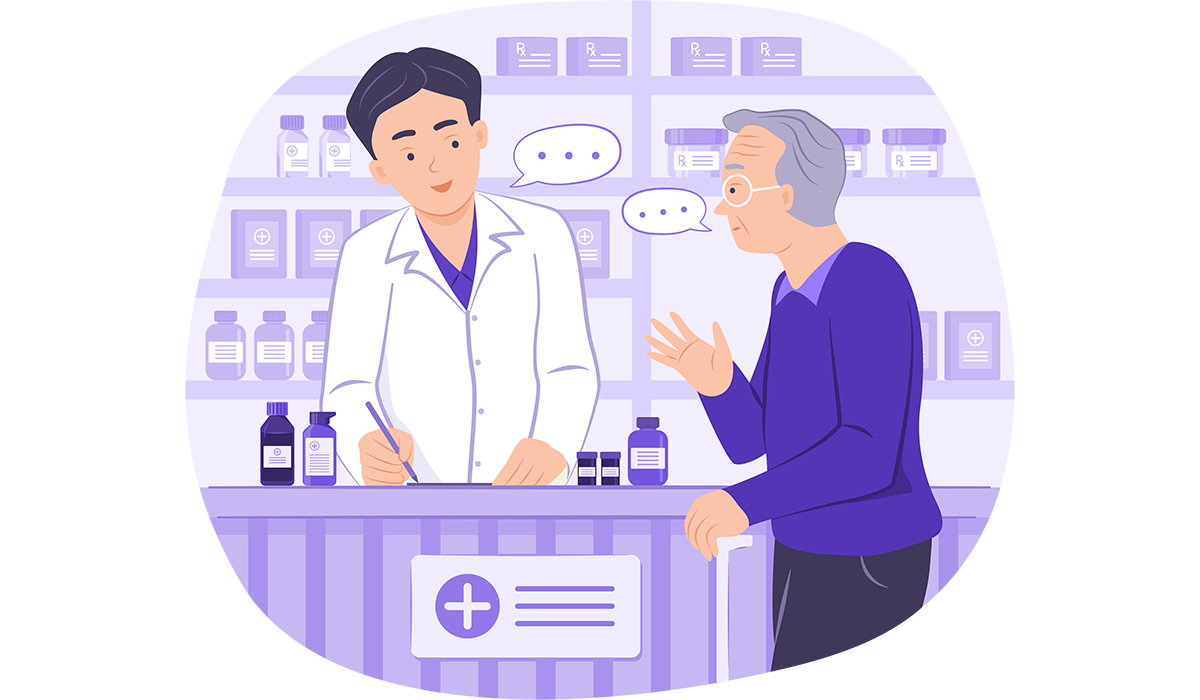
The accreditation of pharmacies is a way for consumers to have more confidence that their chosen pharmacy has met certain requirements and been evaluated for the practice of pharmacy. As a consumer, it’s important to understand why pharmacy accreditation signals strong patient safety efforts and how to make sure your pharmacy is accredited.
What Is Pharmacy Accreditation?
Similar to how schools, contractors, and other types of businesses are accredited, pharmacies can also be accredited through a formal process where an independent organization evaluates a pharmacy’s ability to meet professional and quality standards as well as regulatory requirements.
The specific pharmacy accreditation standards will vary depending on the scope of services of the pharmacy who is seeking accreditation. For example, a compounding pharmacy (a location where pharmacists create custom medicines to meet patients’ needs by altering or mixing together ingredients) may follow a different set of standards than a community pharmacy that does not compound. Online pharmacies may adhere to different standards than brick-and-mortar pharmacies due to their scope of services and model of care.
Patient medication counseling is a great example of how many accreditation standards exceed baseline state requirements. State regulations either require pharmacies to provide or offer the services of medication counseling for any dispensed drug therapy and have the availability of a pharmacist to answer patient questions. To earn most pharmacy accreditations, the pharmacy must demonstrate they go beyond what is minimally required by the state and provide enhanced medication therapy education that is tailored specifically to the patient. A pharmacy that hasn’t been accredited may offer services that go beyond the minimum requirements, but accreditation by a third party verifies those services. Some examples of medication counseling tactics provided by accredited pharmacies are shown in the chart below.
| Medication Counseling Tactic | State Requirements for Pharmacies | Accredited Pharmacies |
|---|---|---|
| A pharmacist is available to answer patient questions. |  |  |
| Offers in-depth medication therapy management reviews. | | |
| Provides videos or other multi-media instruction tools for drug therapy management. | | |
| Offers accessible medication education services for patients who are visually impaired, deaf, or unable to read English. | * | |
| Provides training on safe drug disposal. | |
Depending on state regulations, the type of pharmacy, and the type of accreditation they are seeking, there may be more tactics than the ones included in this chart.
*Only some states require this.
How Does Accreditation Work?
When pharmacies apply for accreditation from organizations like NABP, they gather and submit all required documentation, including applicable policies and procedures. The pharmacy then has an on-site inspection or survey by an expert in pharmacy regulation. The pharmacy is awarded accreditation if they demonstrate compliance with the program standards. Depending on the type of pharmacy accreditation sought, accreditation may take 6 or more months to achieve depending on the readiness of the pharmacy.
At NABP, most of our pharmacy accreditations are issued for a 3-year period, with an annual compliance review each year. At the end of the third year, the pharmacy applies for reaccreditation and the cycle restarts. For more information, watch our video about the pharmacy accreditation process.
Risks of Unaccredited Pharmacies
While accreditation may not be a requirement for a pharmacy to operate as long as they are licensed within their state, many pharmacies seek accreditation to show their enhanced commitment to patient safety. Other reasons a pharmacy may seek accreditation is to meet certain federal or state requirements, or to gain access to payor networks.
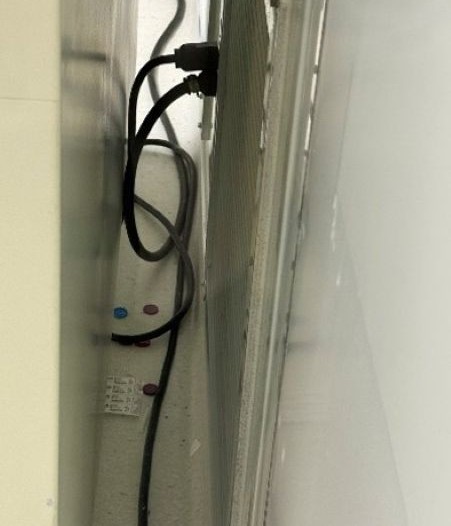
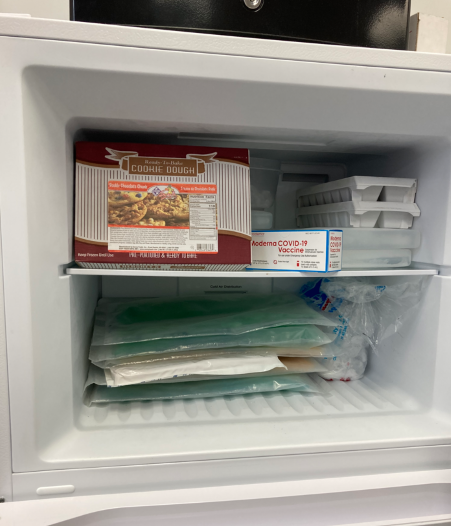
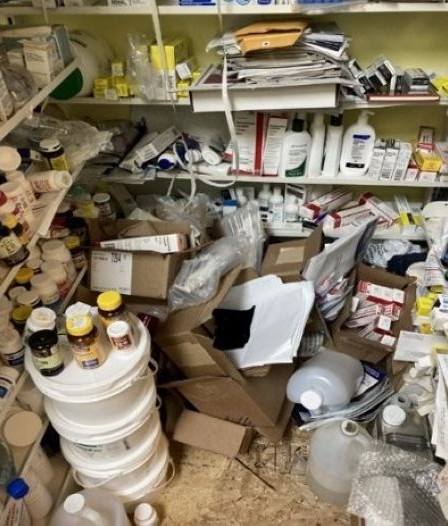
Common issues in a pharmacy that can turn deadly for patients are nonadherence to cleanliness standards, especially in compounding environments, insufficient temperature control, and unlicensed supply chain sources. Disregard of the regulations in place can result in tainted medications, leading to dangerous consequences. For example, in 2012, 64 people died and 793 became sick across the US after receiving contaminated steroid injections that were compounded at the New England Compounding Center (NECC). The injections were contaminated with a fungus resulting in patients contracting fungal meningitis.
In a 2023 blog post, Betty Jones, RPh, NABP Compliance Senior Manager, Accreditation and Inspection Programs says:
“Within the rare cases in which violations are reported, cleanliness is one of the most major factors reported on. Some pharmacy violations include pest problems, the use of unsanitary equipment, and improper storage of medications.” Below are photos from inspections where cleanliness became a dangerous issue.
How to Make Sure the Pharmacy You Use Is Operating Safely
You can make sure that your pharmacy is accredited through these methods:
1. Check the Safe Site Search Tool.
The quickest way to see if your online pharmacy is verified is with our Safe Site Search Tool. Just enter the URL of your pharmacy to confirm that they are verified. If that site comes up as Not Recommended, that means that after NABP’s review, it appears to be out of compliance with NABP patient safety and pharmacy practice standards, or applicable law.
2. Verify your pharmacy is state licensed.
You can verify that your pharmacy is state licensed by checking your state board of pharmacy’s website. Find your state board of pharmacy contact information on NABP’s website.
3. Ask your pharmacy about their accreditations.
Ask your pharmacist if the pharmacy holds an accreditation, and confirm by checking the accrediting organization’s website.
Find more resources to buy medications safely on our website.