
What Are GLP-1 Medications? Benefits, Side Effects, and How They Work
March 18, 2026
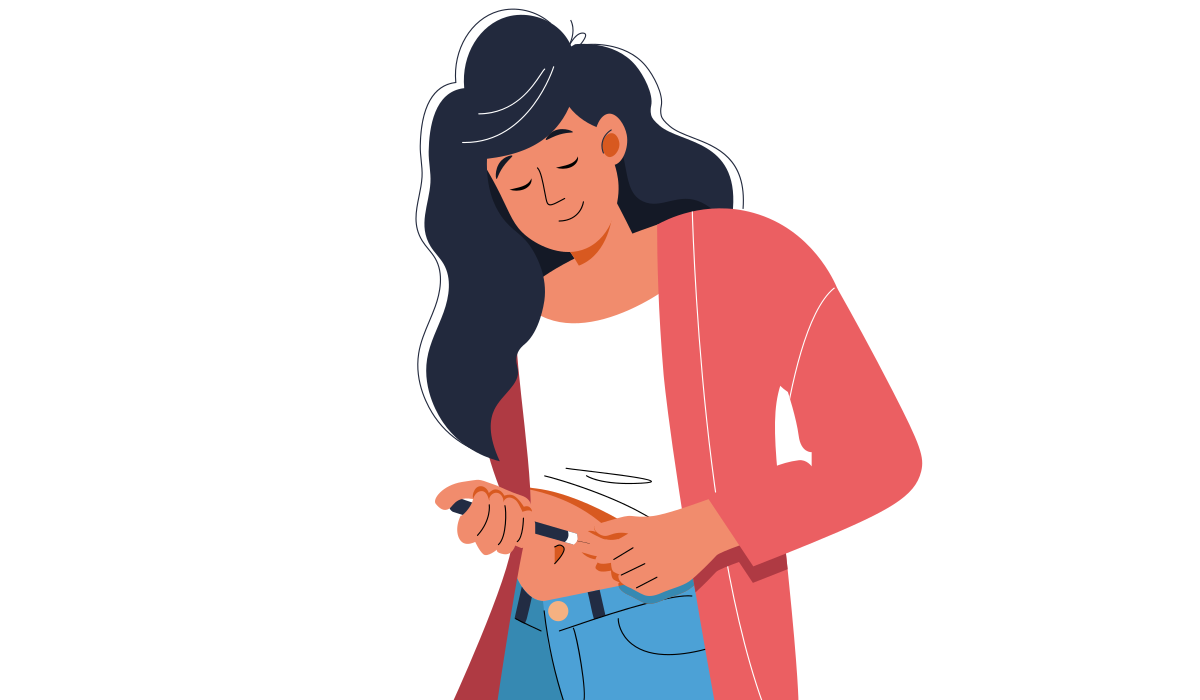
Chances are, you have heard about GLP-1 medications. Glucagon-like peptide-1 receptor agonists, commonly referred to as GLP-1 medications, or simply GLP-1s, have exploded in popularity due to their effectiveness in helping patients lose weight. It seems like everywhere you turn, people are talking about GLP-1 medication brand names like Ozempic, Wegovy, Zepound, and Mounjaro, but do you really know what they are?
What Are GLP-1s?
GLP-1 medications mimic the naturally occurring gut hormone, glucagon-like peptide-1. Stimulated immediately after eating, glucagon-like peptide-1 helps to regulate your blood sugar by signaling the pancreas to release insulin. The release of the GLP-1 hormone helps you feel full after a meal. GLP-1 receptor agonists stay in your body longer than the natural GLP-1 hormone, which is metabolized very quickly.
There are several types of GLP-1 medications. Some are approved by the Food and Drug Administration (FDA) for weight loss, and some are approved to treat type 2 diabetes. Currently, these medications are available as an injection, and more recently, in pill form.
| Active Ingredient | Popular Brand Names | Indication |
|---|---|---|
| Dulaglutide | Trulicity | Type 2 Diabetes |
| Exenatide | Byetta, Bydureon BCise | Type 2 Diabetes |
| Liraglutide | Victoza, Saxenda | Type 2 Diabetes, Weight Loss |
| Semaglutide | Ozempic, Wegovy, Rybelsus | Type 2 Diabetes, Weight Loss |
| Tirzepatide | Mounjaro, Zepbound | Type 2 Diabetes, Weight Loss |
How Do GLP-1 Medications Work?
For weight loss, GLP-1 medications work by stimulating the feeling of fullness longer than your body would naturally. This happens because GLP-1s slow your digestion, keeping you fuller longer. GLP-1 medications can also rewire your brain to stop seeing food as a reward. When you eat, especially high-calorie food, your brain releases dopamine, making you want to eat more. GLP-1s influence the release of dopamine, reducing “food noise”, the constant thoughts about food triggered by the brain’s reward center. Studies have shown that GLP-1s could be used to treat addiction as well as obesity because of this interaction with the brain.
GLP-1s treat diabetes by stimulating insulin secretion after meals, which helps control blood sugar. They also lower the secretion of glucagon, which can raise blood sugar. GLP-1s lower blood sugar only when it’s high, while insulin lowers it regardless of your body’s current level. Because of this, GLP-1s can reduce the risk of dangerously low blood sugar. GLP-1s have been shown to improve A1C levels over time, offering the potential to help patients reverse type 2 diabetes.
GLP-1 Side Effects and Safety
The most common side effects patients experience while taking GLP-1s are:
- Nausea
- Constipation
- Diarrhea
- Heartburn
- Headache and dizziness
- Fatigue
Less common, potentially serious side effects include:
- Gall bladder issues
- Pancreatitis
To manage the side effects, you should stay hydrated, eat slowly and stop when you are full, and eat smaller portions. High-fat foods can make the side effects worse, and eating foods high in fiber may help. Because GLP-1s will reduce your natural hunger cues, you should make sure you are continuing to eat well-balanced, nutritious foods while on the medication.
It is possible to accidentally overdose on GLP-1s. If you think you may have taken too much of your medication, contact America’s Poison Centers.
Falsified and Compounded GLP-1s
Because of the popularity of GLP-1s, bad actors have sold fake versions of the medication online. These illegal medications are dangerous and unregulated. Compounded versions of GLP-1s have also been sold illegally and are not currently approved by FDA. Read our blog on fake GLP-1s for more information.
Only take GLP-1 medications that have been prescribed to you by your doctor, and never purchase medication online without a prescription.
Are GLP-1 Medications Right for You?
People with type 2 diabetes or obesity could potentially be good candidates for GLP-1s, but these medications are not always covered by insurance. The side effects of GLP-1s can be a deterrent for some patients. Generally, you should not take GLP-1s if:
- You are pregnant.
- You or a family member has a history of thyroid cancer.
- You have gastrointestinal conditions or are very sensitive to GLP-1 side effects.
You can ask your pharmacist questions about GLP-1s, including how to take them, the side effects, and what medications might be right for you. Your pharmacist can communicate with your doctor about GLP-1s you are taking and can help start, stop, or change the dose of your medications. Find out more about how your pharmacist can help you.
5 Frequently Asked Questions About GLP-1 Medications
| Q: How much weight can you lose on GLP-1 medications? | A: It depends on the specific medication, dose, medication indication, and individual response, but many patients have seen meaningful, medically significant weight loss, from 9-20% of body weight. |
| Q: Do you regain weight after stopping GLP-1? | A: Usually, yes. It’s important to retain healthy habits when stopping GLP-1s to keep from gaining weight back. |
| Q: Are GLP-1 drugs covered by insurance? | A: It is more common for GLP-1s to be covered by insurance when they are prescribed for type 2 diabetes than for weight loss. Check with your insurance provider to determine if it will be covered in your situation. |
| Q: How long do you stay on GLP-1 medications? | A: Treatment is meant to be ongoing for most patients. Most patients start with a lower dose, increase it over several months, and then reach a maintenance dose that they stay on long-term. Your health care provider will manage the appropriate dose for you. |
| Q: Are GLP-1s safe long-term? | A: Yes, in fact, multiple studies have shown reduced risk of major cardiovascular events like heart attacks and strokes with long-term use of GLP-1s. |
Always talk to your health care provider before starting, stopping, or changing any medications.